IT Services and Cybersecurity for Cincinnati Businesses
Updated November 7, 2026
Everything from break-fix support to full network management. We handle the tech so you can focus on running your business.
Short answer: Networx IT Solutions provides managed IT for businesses of about 20 to 200 employees across Cincinnati, Northern Kentucky and Dayton: AI-powered monitoring and repair, cybersecurity, break-fix support, co-managed IT for companies with their own IT staff, server hosting in our Cincinnati datacenter with a 99.9% uptime SLA, VoIP phones, network design, copier leasing and hardware sales. One flat monthly plan covers your help desk, security, AI-powered monitoring and repair, and phones. Clients who switched to Networx save an average of 36% on their IT contracts.
What is automated AI remediation?

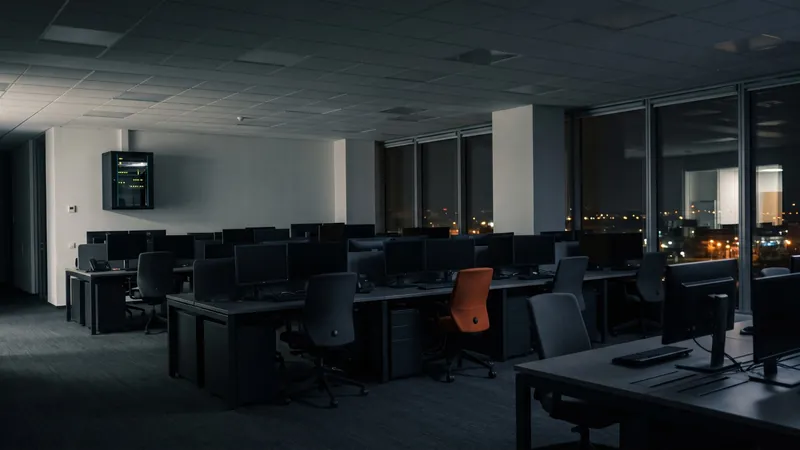
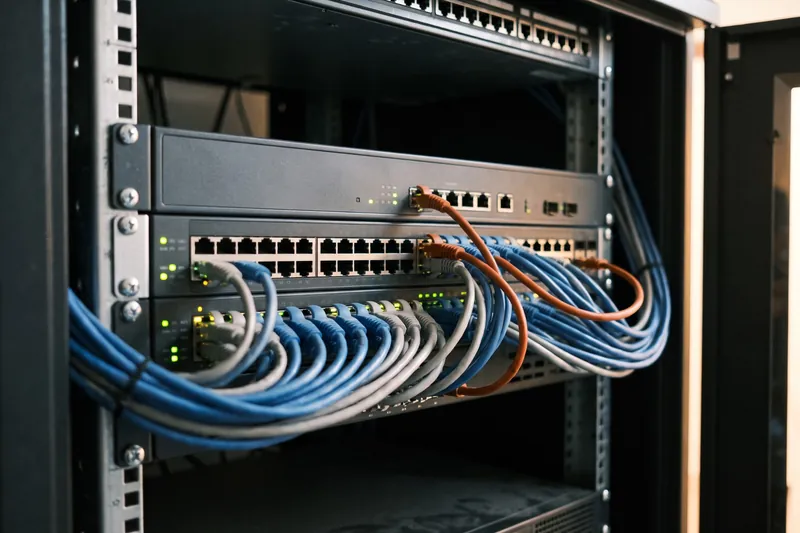
What does remote monitoring and management include?
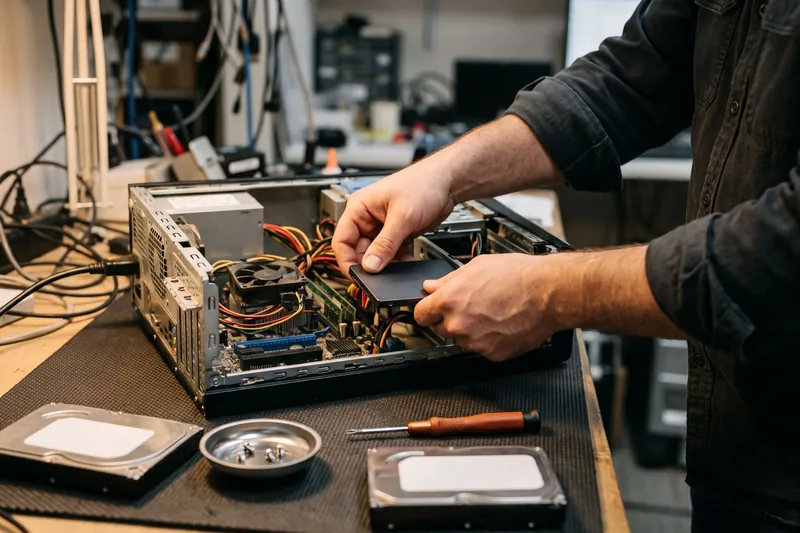
What is desktop break-fix support?
What is co-managed IT?
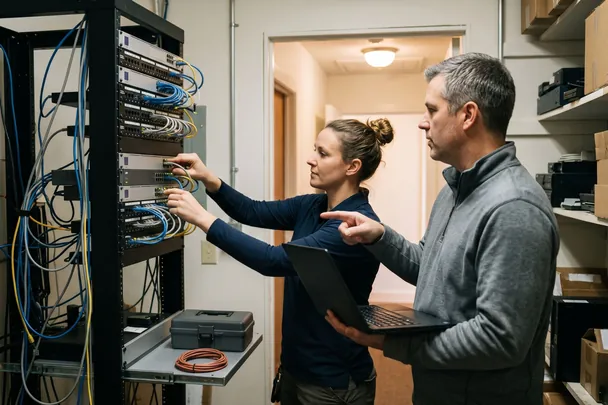
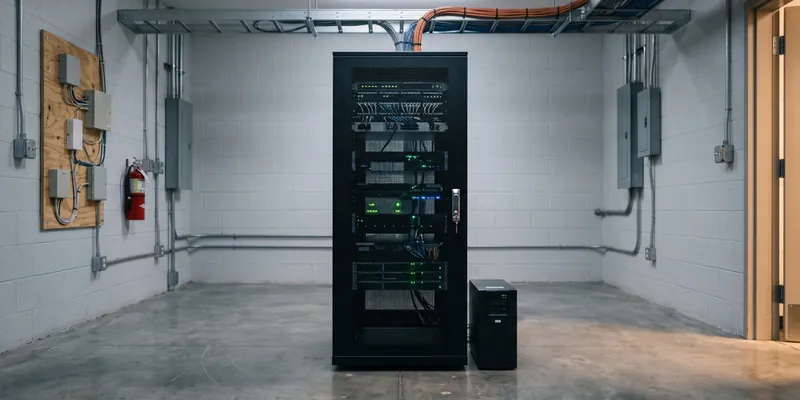
How does Networx handle anti-virus and cybersecurity?
What Cincinnati businesses need to know about cybersecurity in 2026
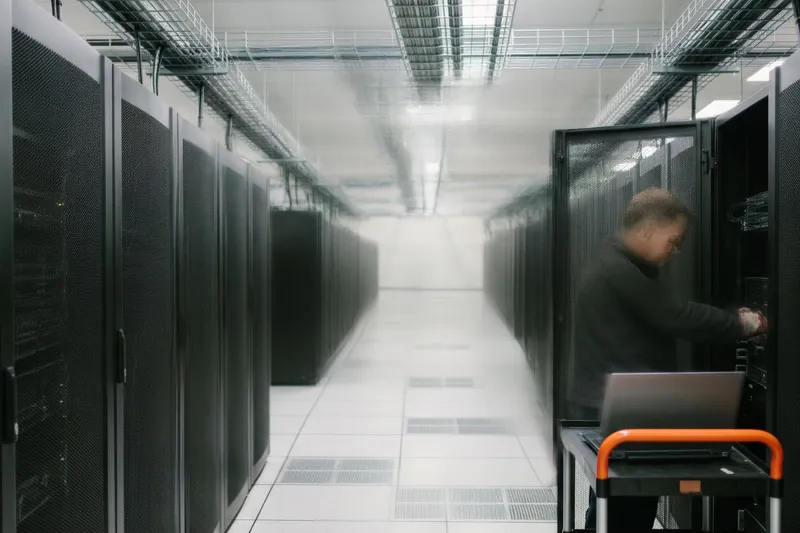
What is server hosting in the Networx datacenter?
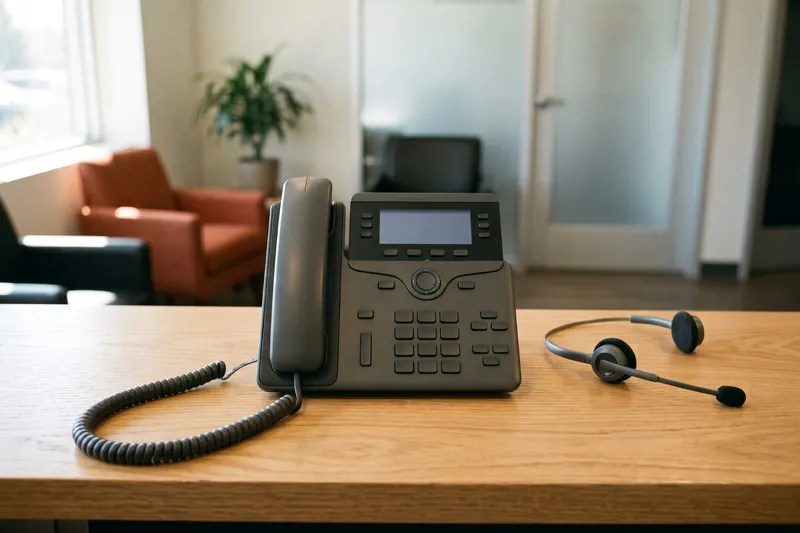
Why switch to VoIP phones?
What does network design and management cover?

How does copier leasing work?
Can Networx supply desktops, laptops and servers?
Where does Networx provide IT services?
Networx IT Solutions supports businesses across the Cincinnati Tri-State. See what local service looks like where you work.
What do businesses ask about Networx IT services?
What is included in a managed IT services plan?
A comprehensive managed IT services plan includes: proactive network monitoring and management, help desk support for employees, proactive maintenance and updates, cybersecurity protection (firewall, antivirus, email security), data backup and disaster recovery, patch management for software updates, cloud services management, strategic IT planning and consulting, vendor management, compliance assistance, reporting and documentation, technology roadmap development, and regular business reviews. The scope varies by provider and plan tier, but the core principle is outsourcing all IT responsibilities to experts who proactively maintain your technology infrastructure, prevent problems before they occur, and respond quickly when issues arise, all for a predictable monthly cost.
What does proactive IT monitoring mean and do I need it?
Proactive IT monitoring means automated tools watch your servers, networks, security systems, backups, and applications, alerting technicians to problems as they appear. Monitoring detects: server failures, network congestion, security threats, backup failures, storage capacity issues, unauthorized access attempts, performance degradation, and certificate expirations. Benefits include: problems detected and often resolved before users notice, security threats identified immediately, documented system health for compliance, capacity planning data, and reduced downtime. You need proactive monitoring if: technology is critical to operations, downtime costs revenue, you face compliance requirements, you have remote offices, or you want peace of mind. Most MSPs include monitoring in standard plans. It's fundamental to proactive support.
What is VoIP and should my business use it?
VoIP (Voice over Internet Protocol) is a modern phone system that uses your internet connection instead of traditional phone lines. Benefits include significant cost savings, advanced features like call forwarding and voicemail-to-email, easy scalability, and the ability to make and receive calls from anywhere. For most businesses, VoIP offers better functionality at a lower cost than traditional phone systems.
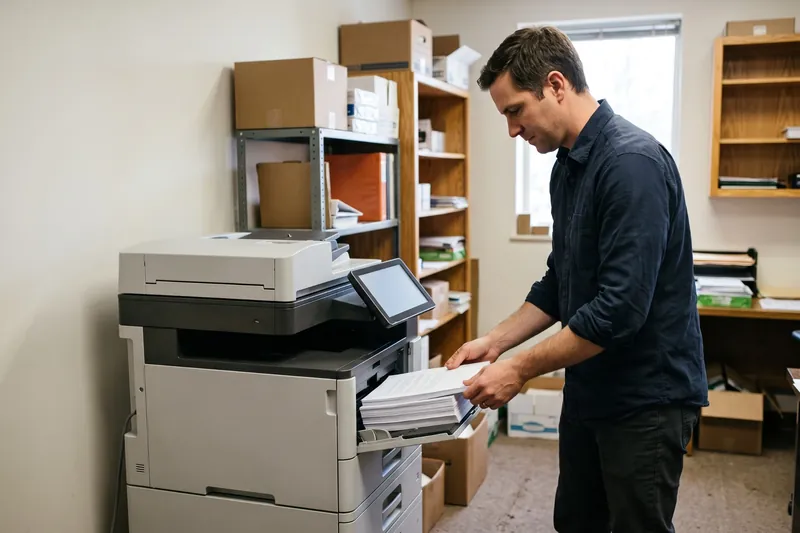
Should I buy or lease a copier for my small business?
Leasing is typically the better choice for most small businesses. Copier leases include: the equipment itself, regular maintenance and toner supplies, automatic upgrades every 3-5 years to newer technology, predictable monthly costs for budgeting, tax benefits (lease payments are fully deductible as operating expenses), and no large upfront capital expenditure. Buying makes sense only if: you have very low print volumes, prefer to own equipment outright, have capital to invest, and are willing to handle maintenance separately. However, copier technology advances rapidly, and leased equipment ensures you're not stuck with outdated machines. Lease costs typically run $100-500/month depending on speed, features, and volume. We partner with major copier vendors to get competitive pricing and superior service for our clients, and we handle all the vendor management hassles.